
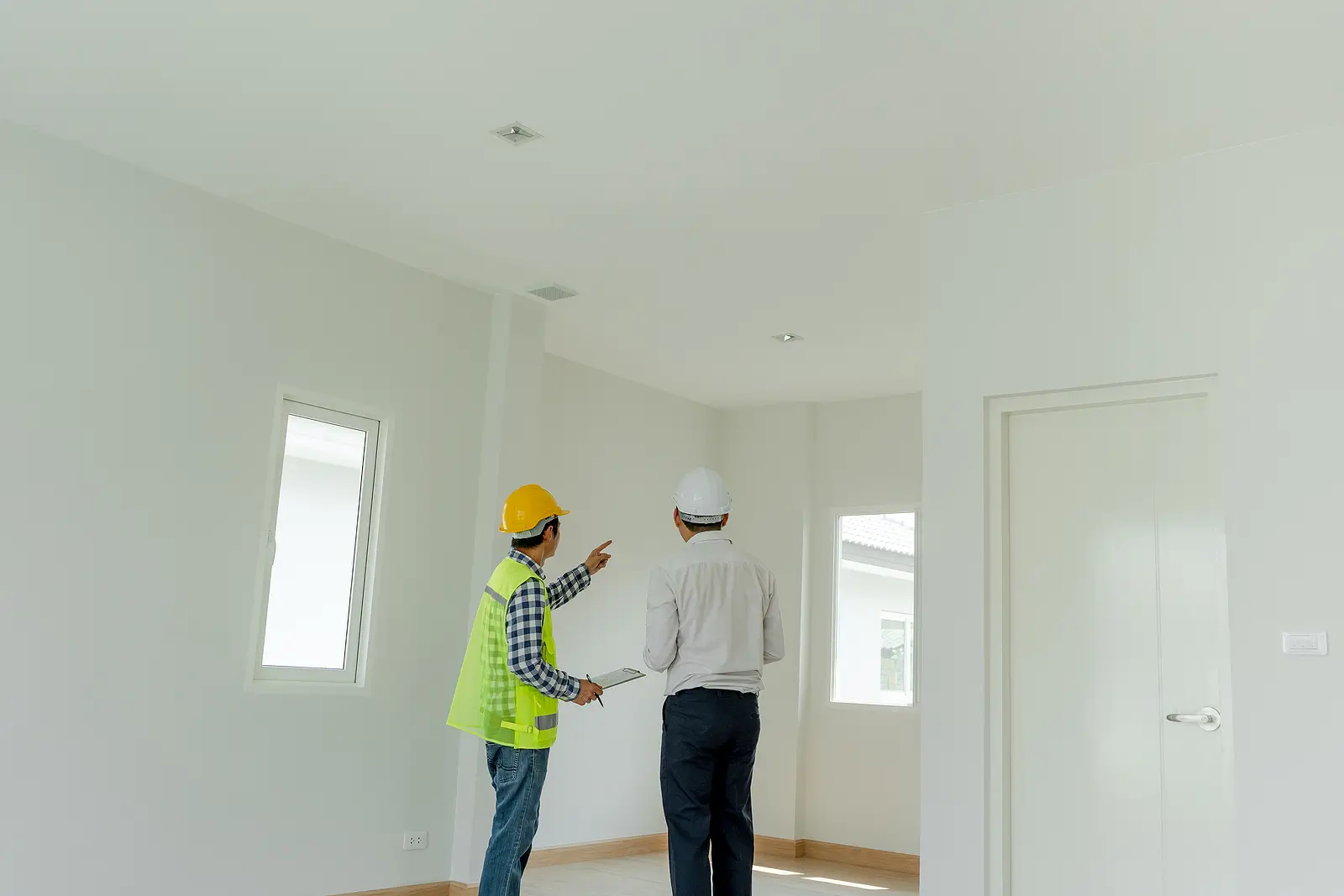
Owning a rental in Marin County can be deeply rewarding, but it rarely stays quiet for long. One “small” drip under the sink turns into warped cabinets, then a musty smell, then a worried text from your tenant at 9 p.m. Suddenly, you’re juggling contractors, deadlines, and the uneasy feeling that a minor repair is becoming a bigger problem.
In a high-value market where tenants pay attention and know their rights, your best protection is a simple, repeatable system: respond fast, fix it correctly, and document everything.
Key Takeaways
- California habitability rules set a nonnegotiable baseline for repairs tied to health and safety.
- Fast triage and clear timelines prevent many complaints from escalating into claims.
- Written records, photos, and invoices strengthen your position with tenants and insurers.
- Marin has jurisdiction-specific rules, so a consistent checklist keeps you steady across properties.
Habitability Baseline: What the Law Expects
Think of habitability as the legal “minimum standard” for a rental. California law expects your property to be safe, clean, and truly livable, not just cosmetically fine.
Civil Code 1941.1 focuses on the basics tenants need every day: a weather-tight home, working plumbing and gas, hot and cold running water, reliable heat, safe electrical wiring and lighting, sanitary conditions, and sturdy floors, stairs, and railings.
Here’s the rule of thumb: if the issue affects health or safety, move it to the top of your list.
If serious problems continue after proper notice, tenants may have legal options. Civil Code 1942 includes “repair and deduct,” with limits like a cost cap tied to one month’s rent. Your best defense is simple: respond quickly, put it in writing, and document everything.
Marin County Local Lens
Marin is not one set of rules. Responsibilities can vary by jurisdiction depending on whether a property is in an incorporated city or unincorporated Marin. Unincorporated Marin has a Just Cause eviction ordinance, and some towns adopt additional tenant protections.
The Checklist: Repairs to Track Like a System
If you want fewer emergencies and fewer arguments, stop treating maintenance like random “to-dos.” Track the same categories each time, focusing on factors that affect health, safety, and trust.
- Weatherproofing and moisture control: Before the rainy season, walk the exterior. Check the roof, gutters, downspouts, window seals, caulking, and where water drains. If water is getting in, fix the source first, then dry the area. Take before-and-after photos.
- Plumbing and hot water: Keep an eye on leaks, slow drains, running toilets, and the age of the water heater. A “small” leak is rarely small once it spreads behind walls or under floors.
- Heating and ventilation: Heat is essential. Test heaters before colder months, change filters, and confirm thermostats work. If a repair is delayed, explain the timeline and offer safe temporary solutions.
- Electrical and life safety: Watch for tripped breakers, warm outlets, flickering lights, and exposed wiring. Confirm smoke alarms and carbon monoxide devices are installed, working, and documented.
- Sanitation and pests: Maintain clean trash areas, clear drainage, and respond quickly to rodent or insect infestations with qualified help.
Maintenance Requests: A Workflow That Works
Make it easy for tenants to report issues by using one main channel, then handle every request the same way.
- Confirm receipt in writing and ask for photos or details if needed.
- Label the request: emergency, health-and-safety issue, routine, or tenant-caused.
- Set clear expectations: what happens next, who is coming, and the time window.
- Handle entry correctly: for non-emergencies, give reasonable notice, with 24 hours commonly treated as reasonable under Civil Code 1954 when properly delivered.
- Close it out: confirm the repair is done, share simple care instructions, and save the record.
If it’s a gas odor, flooding, or an electrical hazard, respond immediately and document your actions and timing.
Documentation: Make It Easy to Prove You Did the Right Thing
Good documentation is what separates “I handled it” from “I can prove I handled it.” Keep one simple folder per unit and update it every time something happens.
What to save (every time):
- The tenant’s original request
- Your written responses and scheduling notes
- Vendor invoices, estimates, and brief work summaries
- Time-stamped photos, especially before-and-after shots
- If you talk by phone, send a short follow-up message recapping what was agreed
Inspections That Prevent Problems
- Move-in: Photograph the condition, appliances, and safety devices.
- Mid-lease or annual: Look for leaks, ventilation issues, trip hazards, and early wear.
- Move-out: Re-photo and compare to move-in to separate wear from damage.
Insurance Claims: Fast, Safe, Organized
When damage happens, take clear photos as soon as it’s safe, do what you can to prevent it from getting worse, contact your insurer right away, and keep every estimate and invoice in one organized folder. A short, dated timeline of what happened and what you did makes the claim much easier to support.
Preventing Habitability Claims Before They Start
If a repair won’t be immediate, tell the tenant what’s causing the delay, give specific dates, document the vendor’s availability, and offer reasonable temporary solutions when appropriate. Steady updates and visible progress go a long way in keeping concerns from turning into complaints.
FAQs
What repairs are landlords responsible for in California?
Landlords must maintain core health and safety systems, including weather protection, plumbing, hot water, heat, electrical safety, sanitation, and safe structural elements under Civil Code 1941.1.
How fast should repairs be completed?
The standard is a reasonable time, but urgent health or safety issues should be addressed immediately or as fast as possible.
Can tenants repair and deduct?
In some cases, Civil Code 1942 allows repair and deduct after notice and a reasonable opportunity to repair, with limits that can include a cost cap tied to one month’s rent.
How much notice is required for entry?
For non-emergency repairs, Civil Code 1954 generally requires reasonable notice, and 24 hours is commonly treated as reasonable when properly delivered.
Quiet Properties, Stronger Returns
In Marin County, maintenance isn’t busywork; it’s risk control. A clear checklist keeps you focused on the repairs that matter most, catches small problems before they become expensive ones, and reduces the chances that a simple request turns into a formal complaint. When you triage quickly, fix the root cause, and document the outcome, you protect your cash flow, your tenant relationships, and your long-term property value.
Want a system that runs smoothly even when you’re not on call? Prandi Property Management brings the vendors, inspections, timelines, and documentation together in one reliable process. Reach out to us and let your rental feel professional, protected, and truly hands-off.
Additional Resources
What to Do When a Tenant Violates the Lease in San Rafael
AB 628 Compliance: Making Appliances Mandatory by the Next Lease Cycle